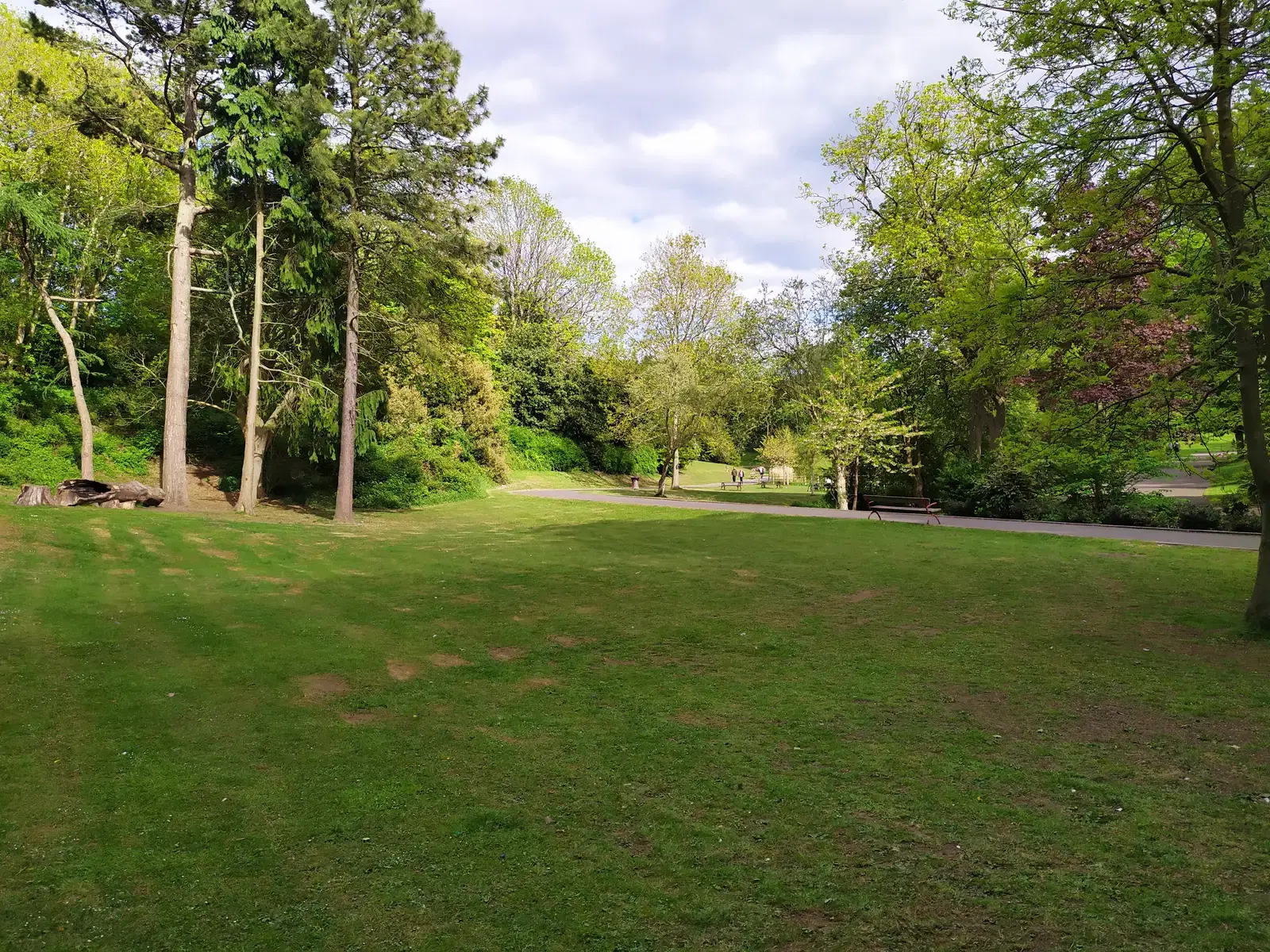
Parks and Green Spaces in Sunderland
Sunderland's parks, country parks and nature reserves, from Mowbray Park and Barnes Park in the city to Herrington, Hetton Lyons, Rainton Meadows and the Washington riverside.
Sunderland has a mix of green space that surprises many visitors. There are Victorian parks in the city, country parks made on the sites of former collieries, limestone hills that are protected for their wildflowers, and a long stretch of the River Wear running through Washington. This guide covers the main parks and green spaces across the city, what each one is like and who it suits. For routes that link several of them, see our guide to walks in Sunderland.
Mowbray Park
Mowbray Park is in the city centre, beside Burdon Road. It opened in 1857 on land bought from the Mowbray family and was extended in 1866 to take in a lake and a terrace. The paths wind up and around Building Hill, a former limestone quarry, which gives views over the city. The Sunderland Museum and Winter Gardens beside it is closed for redevelopment until 2028, but the park remains open.
Best for: A short green break in the middle of a city centre visit.
Barnes Park
Barnes Park, west of the centre, is the largest park in the city once its post-war extensions are counted. It was laid out in the valley of the Bishopwearmouth Burn on land bought in 1904, and opened in August 1909. A restoration funded by more than £3 million from the Heritage Lottery Fund renewed its historic features. Today it has a lake, wooded paths and open grass running west through the valley.
Best for: Families and dog walkers who want space without leaving the city.
Roker Park
Roker Park is a Victorian park just behind the seafront at Roker. It has a boating lake and a ravine path that leads down towards the beach, which makes it an easy add-on to a walk along the promenade. It lies within the Roker Park Conservation Area.
Best for: Anyone combining a park stroll with the beach and Roker Pier.
Backhouse Park
Backhouse Park is a wooded park south of the city centre, between Ashbrooke and Hendon. The small Hendon Burn runs through it, and waymarked exercise trails follow the paths. It is smaller and quieter than Mowbray Park or Barnes Park.
Best for: A quiet woodland walk close to the city centre.
Hylton Dene and Hylton Castle
In the north of the city, Hylton Dene is a wooded valley alongside Hylton Castle, the medieval gatehouse-tower in Castletown. The Friends of Hylton Dene was set up by local residents in 1999 to work with the council and Durham Wildlife Trust on looking after the dene and the castle grounds. The grounds are open to walk, and the castle has its own events programme.
Best for: Families who want history and woodland in one visit.
Tunstall Hills
Tunstall Hills, on the southern edge of the city near Ryhope, is a Local Nature Reserve, and Tunstall Hills and Ryhope Cutting is a Site of Special Scientific Interest. The two hills, Green Hill and Rocky Hill, were once known as the Maiden Paps because of their shape. Their Magnesian Limestone grassland supports wildflowers including orchids, and the tops give wide views over the city and out to sea.
Best for: Wildflower watchers and anyone after a view without a long climb.
Herrington Country Park
Herrington Country Park, below Penshaw Monument, was created on the site of a former colliery. It has a lake, open hillside, a play area, sculptures, an amphitheatre and a model boat sailing area. Up to 100 species of bird have been recorded there. A parkrun is held every Saturday at 9am, and the park hosts large outdoor events, including BBC Radio 1's Big Weekend in 2005 and 2026. Our guide to Penshaw Monument and Herrington Country Park has more detail.
Best for: Families, runners and anyone heading up to the monument.
Hetton Lyons Country Park
Hetton Lyons Country Park, on the edge of Hetton-le-Hole, occupies the site of Hetton Lyons Colliery, which closed in 1960. It has a lake with paths around it and open grassland.
Best for: Residents of Hetton and Houghton who want a lakeside walk close to home.
Rainton Meadows
Rainton Meadows, just south of Houghton-le-Spring off the A690, is the headquarters of Durham Wildlife Trust. It was created in 1996 from the restored Rye Hill opencast coal mine and now covers wetlands, woodland and wildflower meadows, with bird hides, a play area and a visitor centre with a coffee shop. There are accessible trails, Exmoor ponies, cattle and sheep graze parts of the reserve, and dogs are allowed on a lead.
Best for: Birdwatchers and families who want a nature reserve with facilities.
James Steel Park and the Wear in Washington
James Steel Park follows the River Wear on the south side of Washington, between Fatfield and Penshaw. It is a long, partly wild green corridor with riverside paths and a footbridge over the Wear. On the north bank, WWT Washington Wetland Centre is a separate, ticketed reserve run by the Wildfowl and Wetlands Trust, with hides and woodland trails; check its seasonal opening days before you go.
Best for: Walkers who prefer riverbank paths to formal parks.
Practical tips
Most parks are open all day, though car parks and facilities at the country parks keep set hours. Herrington, Hetton Lyons and Rainton Meadows all have parking; the city parks are easier to reach on foot or by bus. Cafes, toilets and events change through the year, so check before travelling. For more ideas, see our outdoors hub.
Know a place we have missed? Get in touch.
Local businesses mentioned
Never miss what’s on
Join the weekly SunderlandCity.live digest — the best events, news and local tips, straight to your inbox. One email a week.
What's On
Witches, Fairies and Satan: Folk Tales of County Durham
1:00 PM · Arts Centre Washington, Biddick Lane, Fatfield, Washington, NE38 8AB
Frozen Assets
7:30 PM · Arts Centre Washington, Biddick Lane, Fatfield, Washington, NE38 8AB
Spotlight: Washington Open Exhibition 2026
See website · Arts Centre Washington, Biddick Lane, Fatfield, Washington, NE38 8AB