The History of Sunderland
From Benedict Biscop's monastery and the young Bede to the shipyards, the glassworks and city status: the history and heritage of the city on the Wear.
Sunderland at a Glance
The key moments that shaped Sunderland, from a 7th-century monastery to a modern city.
Wearmouth Monastery
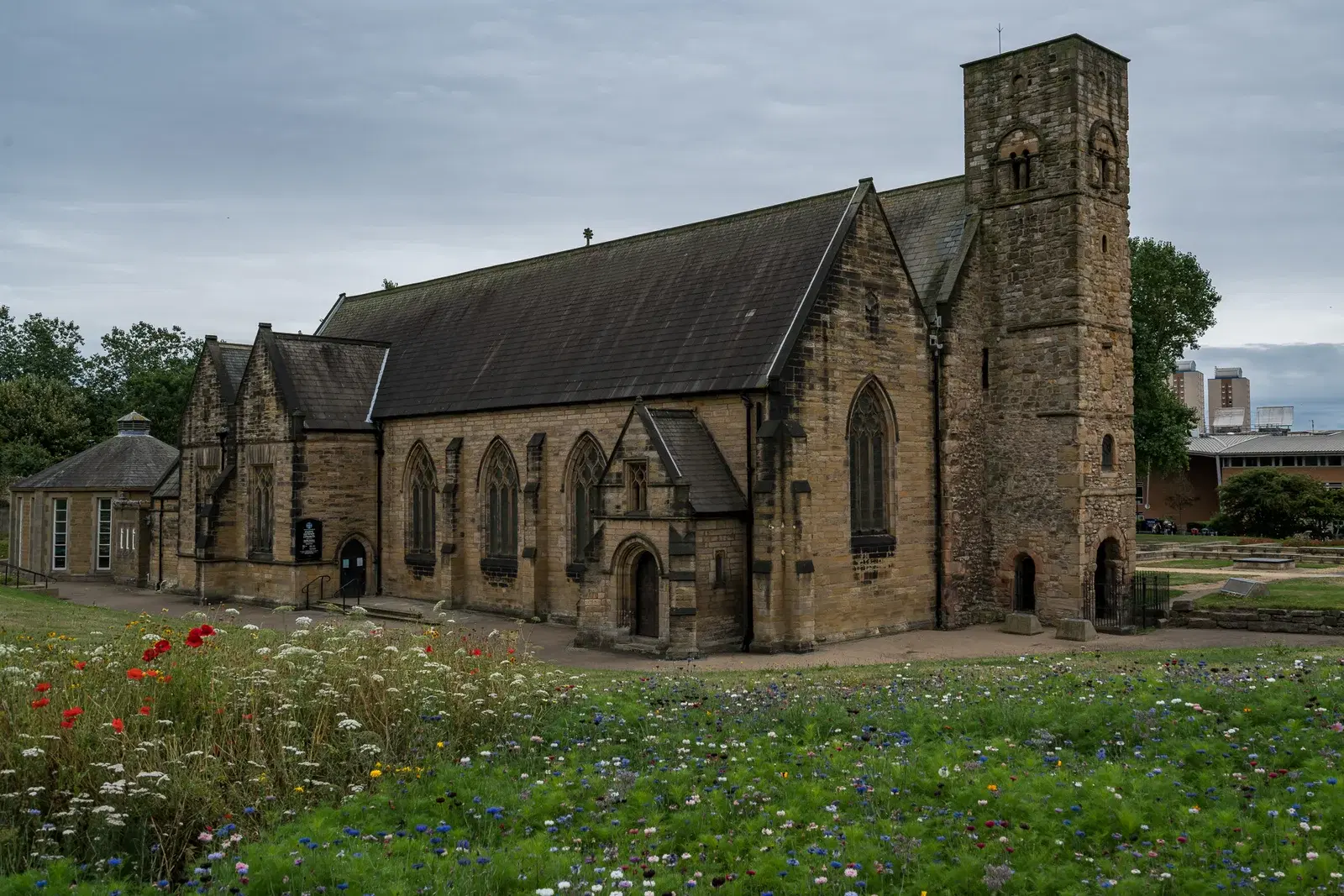
Benedict Biscop founded the monastery of St Peter at Monkwearmouth on land granted by King Ecgfrith of Northumbria. He brought stonemasons and glaziers from Gaul, making it one of the first places in England where window glass was made.
Bede
Bede entered the monastery at Wearmouth as a boy of about seven and later moved to its twin house at Jarrow. There he completed his Ecclesiastical History of the English People in 731, the work that earned him the title of the father of English history.
Viking Raids
Viking raiders attacked the twin monastery, a year after the raid on Lindisfarne. The community declined over the following century, and St Peter's later became a parish church.
Hylton Castle
Sir William Hylton built the fortified gatehouse tower that survives today as Hylton Castle, decorated with heraldic shields. Restored in the 2010s, it reopened as a community venue.
Ships and Salt
The first record of shipbuilding on the Wear dates from 1346. Coal exports, salt pans and the river trade grew through the 17th and 18th centuries, and the port of Sunderland was formally established in 1717.
The First Wearmouth Bridge
The first Wearmouth Bridge opened in 1796, one of the earliest large iron bridges in the world. The present steel arch bridge replaced it in 1929 and still carries traffic into the city centre.
Penshaw Monument
The monument to John Lambton, the first Earl of Durham, was built on Penshaw Hill in the form of a Greek temple. It is Grade I listed, cared for by the National Trust and visible from miles around.
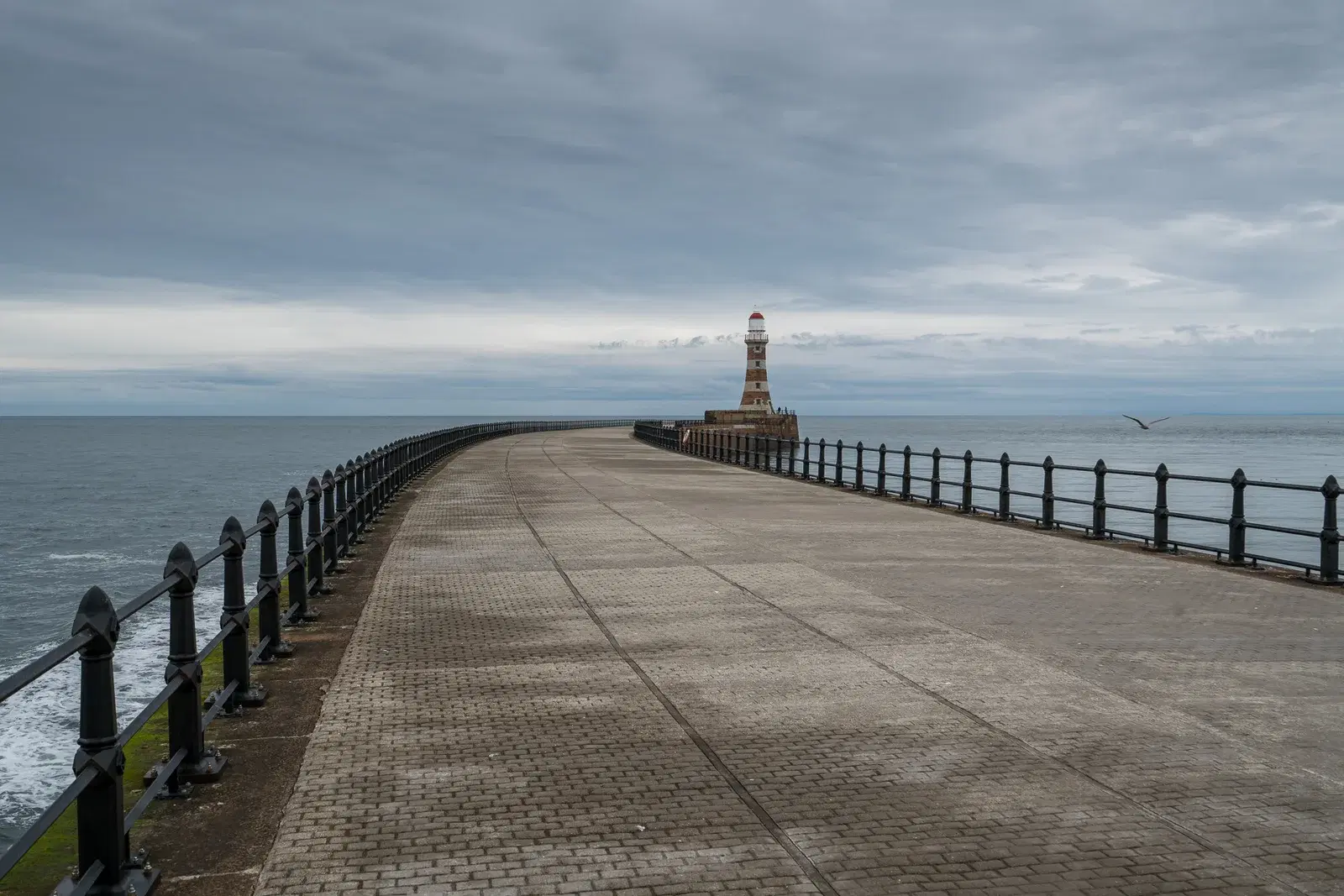
Roker Pier and Lighthouse
Roker Pier, begun in 1885, opened with its red-and-white lighthouse in 1903 to protect the harbour mouth. Restored in the 2010s, the pier's tunnel and lighthouse now open for guided tours.
The Largest Shipbuilding Town in the World
By the early 20th century the Wear's yards made Sunderland the biggest shipbuilding town on earth, while Pyrex glass was made at the Wear Glass Works from 1922. The last shipyard closed in 1988.
City Status
Sunderland was granted city status in 1992 to mark the 40th anniversary of the Queen's accession. The University of Sunderland was created the same year, and the Stadium of Light opened on the former Monkwearmouth Colliery site in 1997.
A City on the Wear
With a population of about 168,000 in the built-up area at the 2021 census, Sunderland is remaking its centre around Keel Square, The Fire Station and Riverside Sunderland, while Roker and Seaburn remain the region's favourite seafront.
Heritage Articles
In-depth stories about the people, buildings and events that shaped Sunderland.
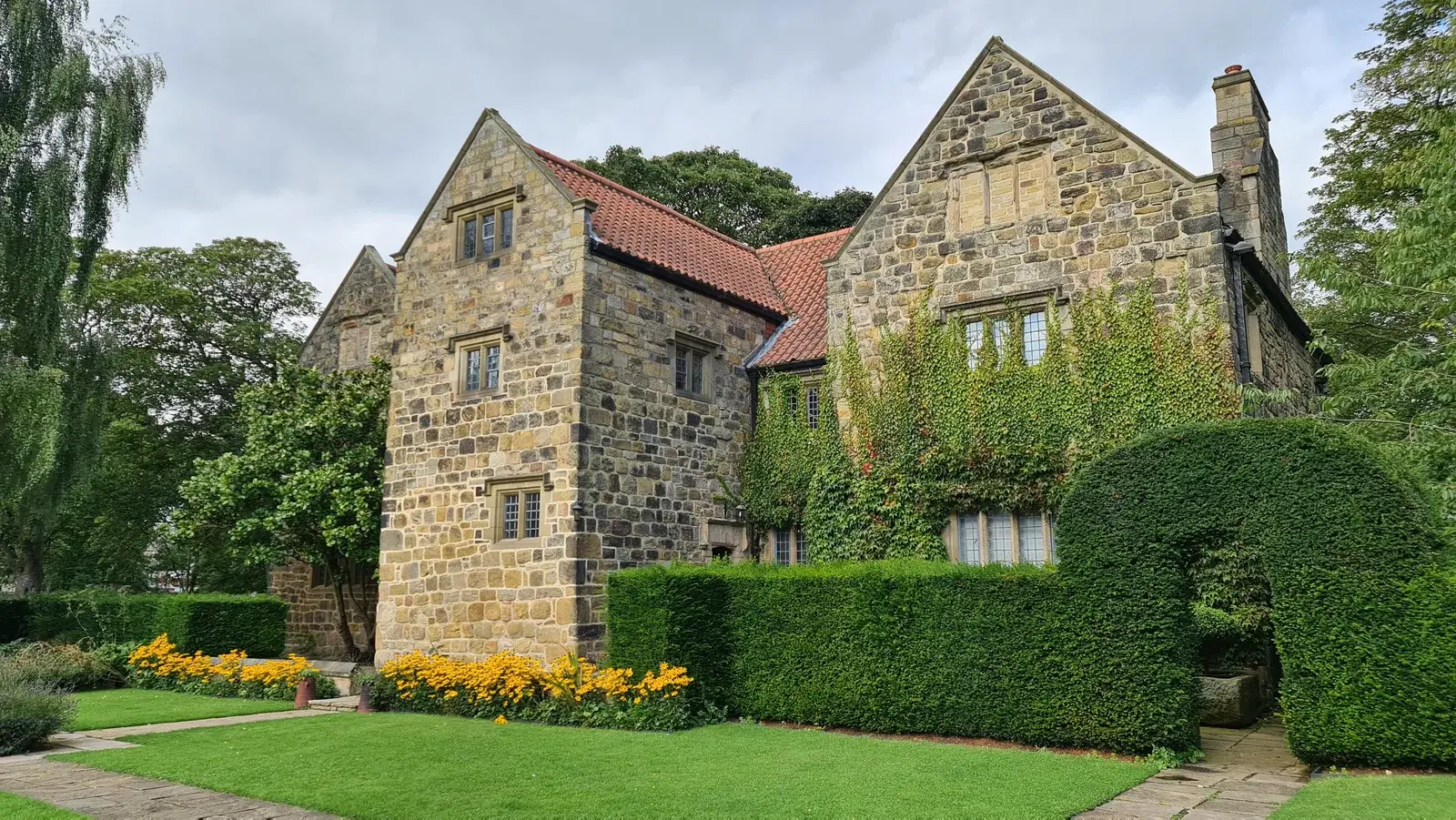
Washington Old Hall and George Washington: The Wearside Roots of a President
How a medieval Wearside family gave its name to Washington and to America's first president, how the Old Hall was saved in the 1930s, and what you can see there today.
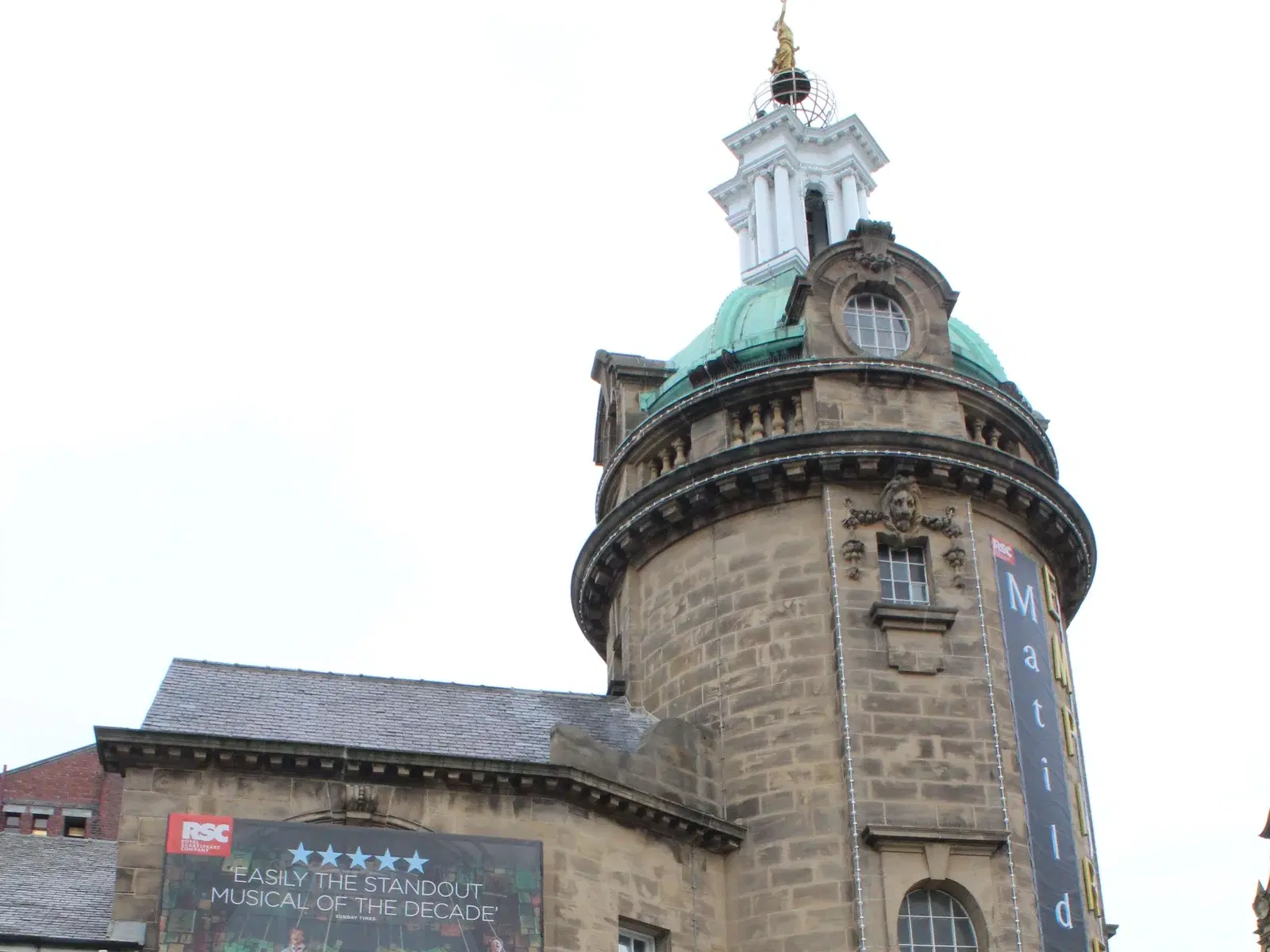
The History of the Sunderland Empire Theatre
From Vesta Tilley's opening night in 1907 to Tommy Steele, the Beatles, Sid James and today's touring musicals: the story of the Sunderland Empire on High Street West.
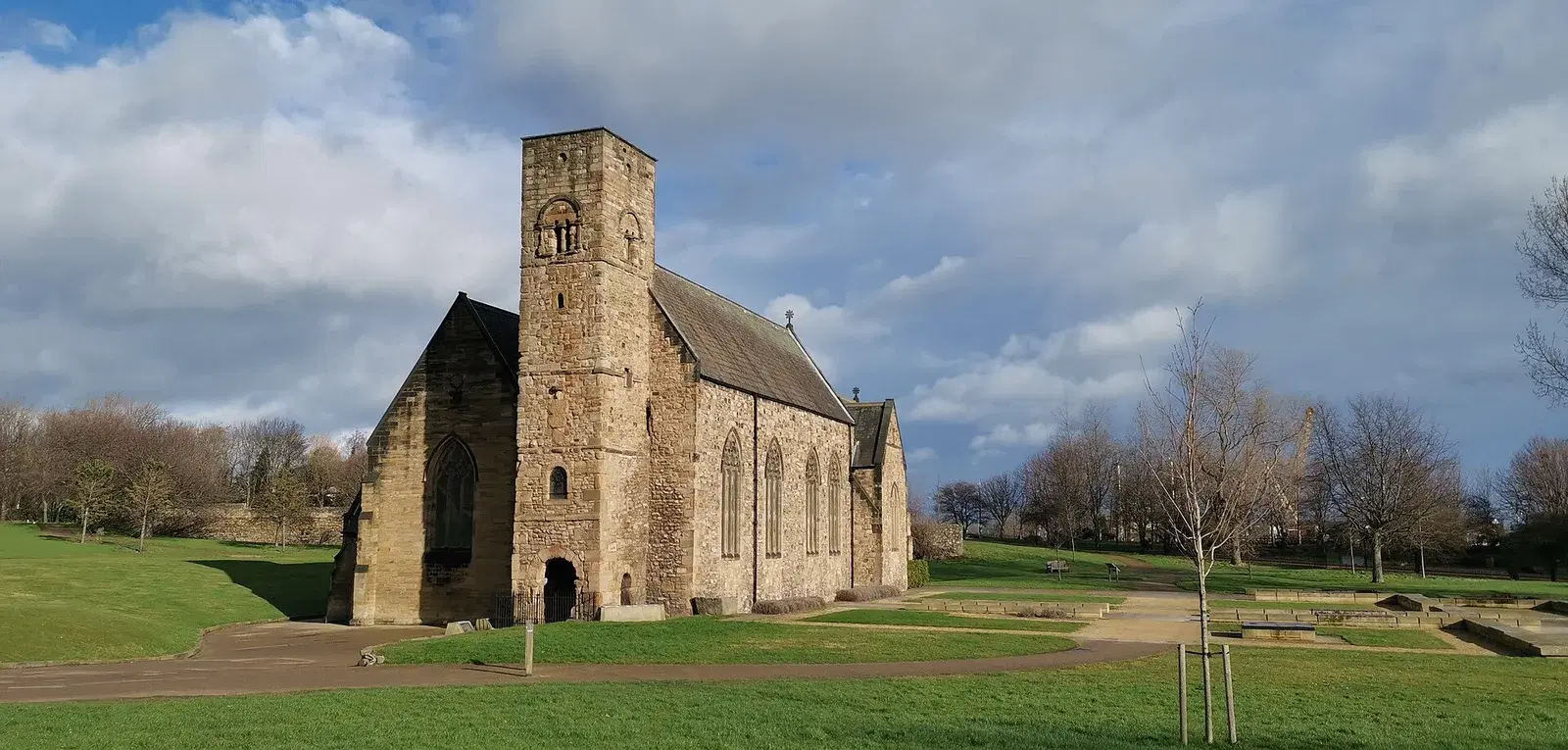
St Peter's Church, Monkwearmouth and the Venerable Bede
The story of St Peter's, Monkwearmouth: Benedict Biscop's monastery of 674, the boyhood of Bede, the books made here, the layers of the building and how to visit today.
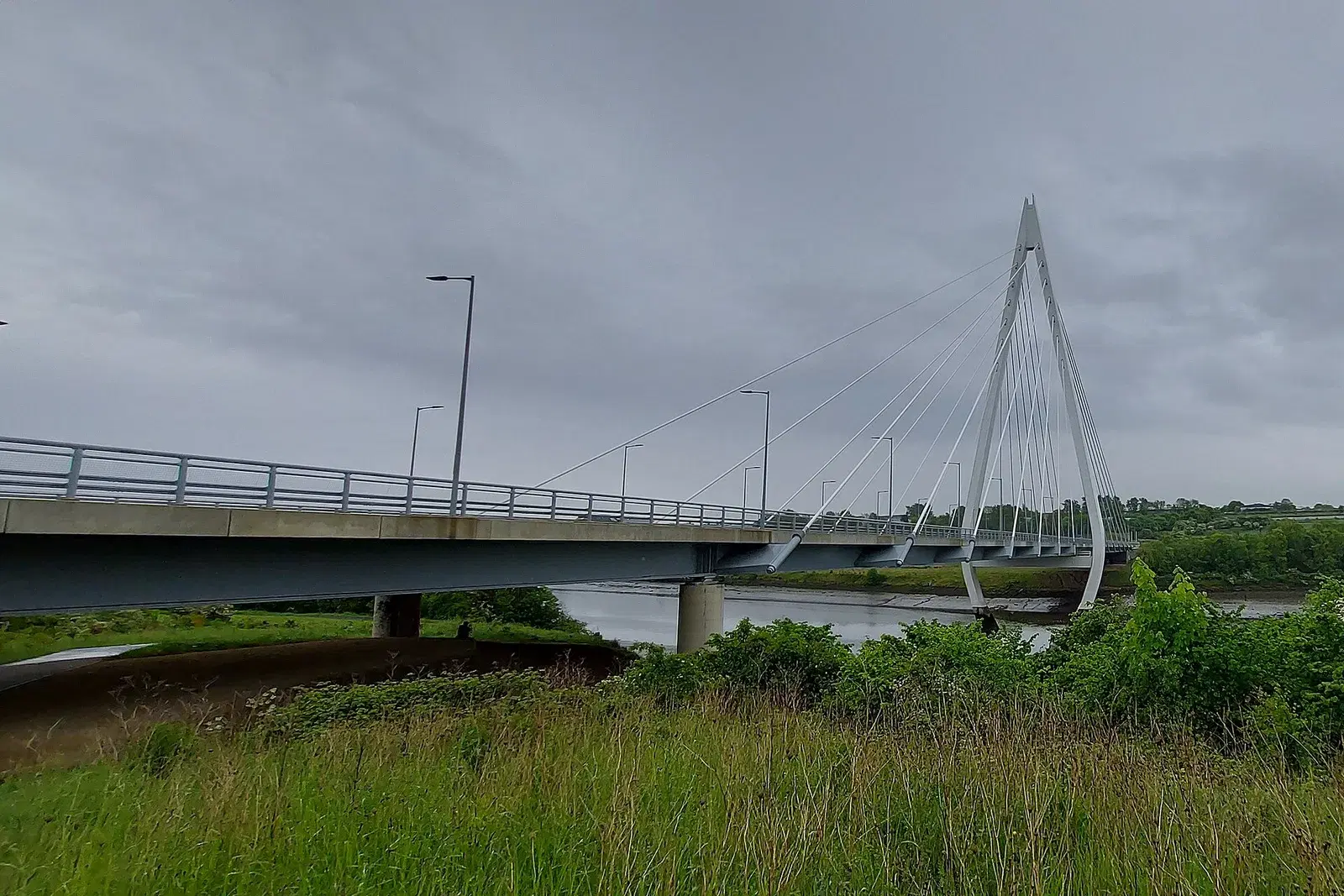
The Bridges of Sunderland: Crossing the Wear
A heritage guide to the bridges over the Wear in Sunderland, from the Wearmouth Bridge and the 1879 railway bridge to the Queen Alexandra Bridge, Northern Spire and Keel Crossing.
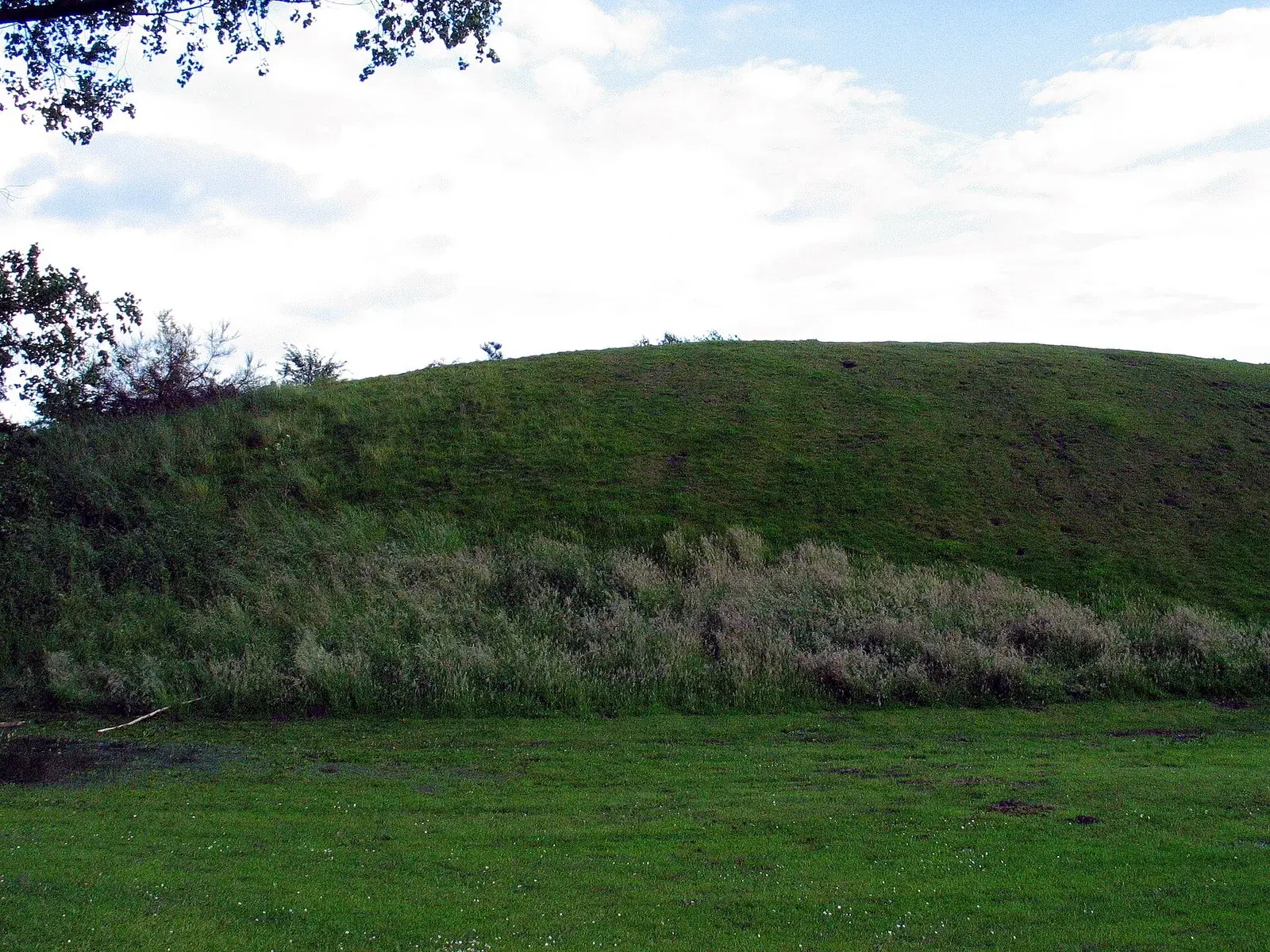
The Lambton Worm: Wearside's Dragon Legend
The Lambton Worm beyond the song: the two hills that claim the legend, the curse on the Lambton family, the 1867 song, Lambton Castle and where the worm turns up in books, film and football.
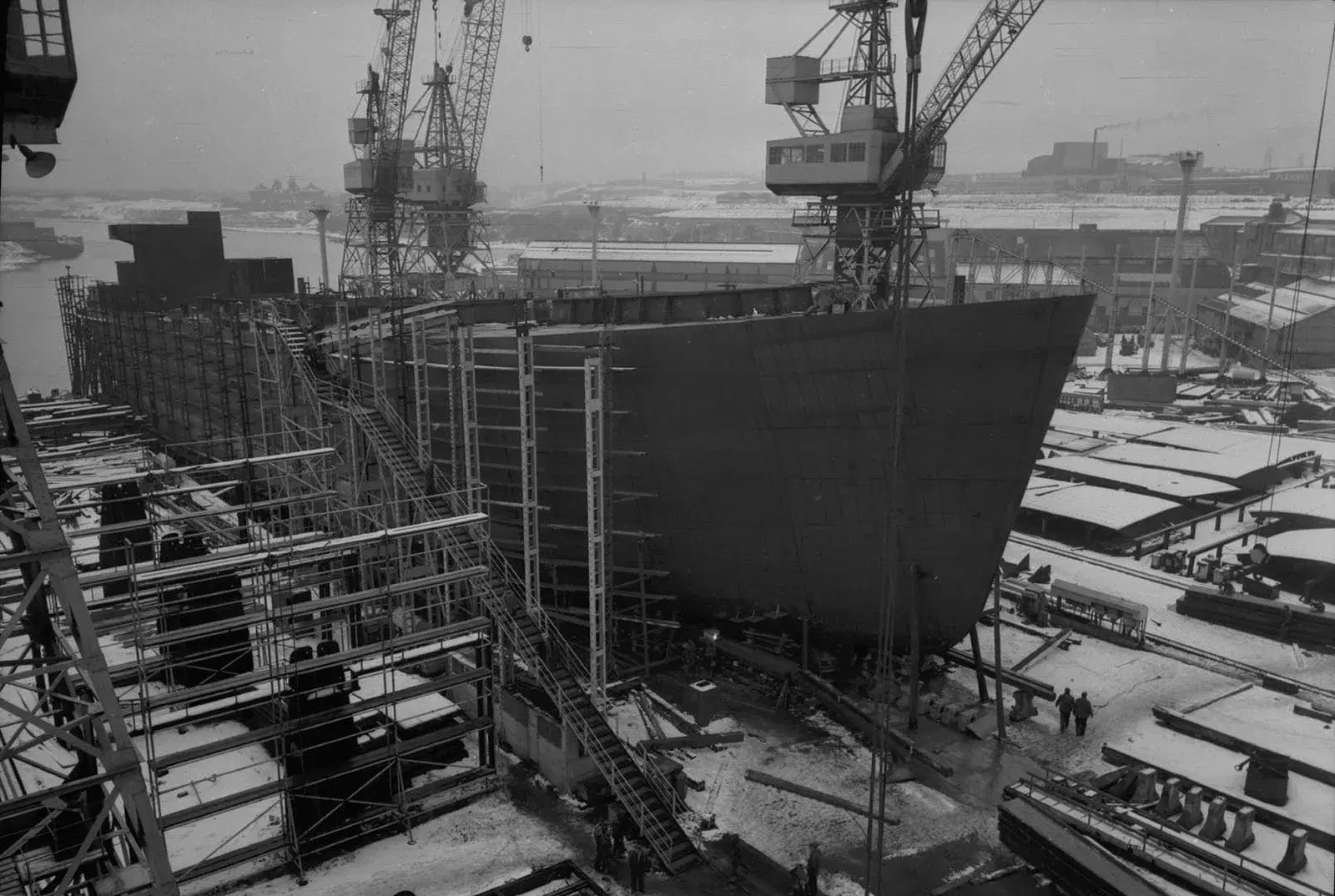
Shipbuilding on the Wear: The Yards, the Liberty Ship and the SD14
The story of Sunderland's shipyards, from Thomas Menville in 1346 to Thompson's Liberty ship design, the SD14 and the 1988 closure, with where to see the river's shipbuilding past today.
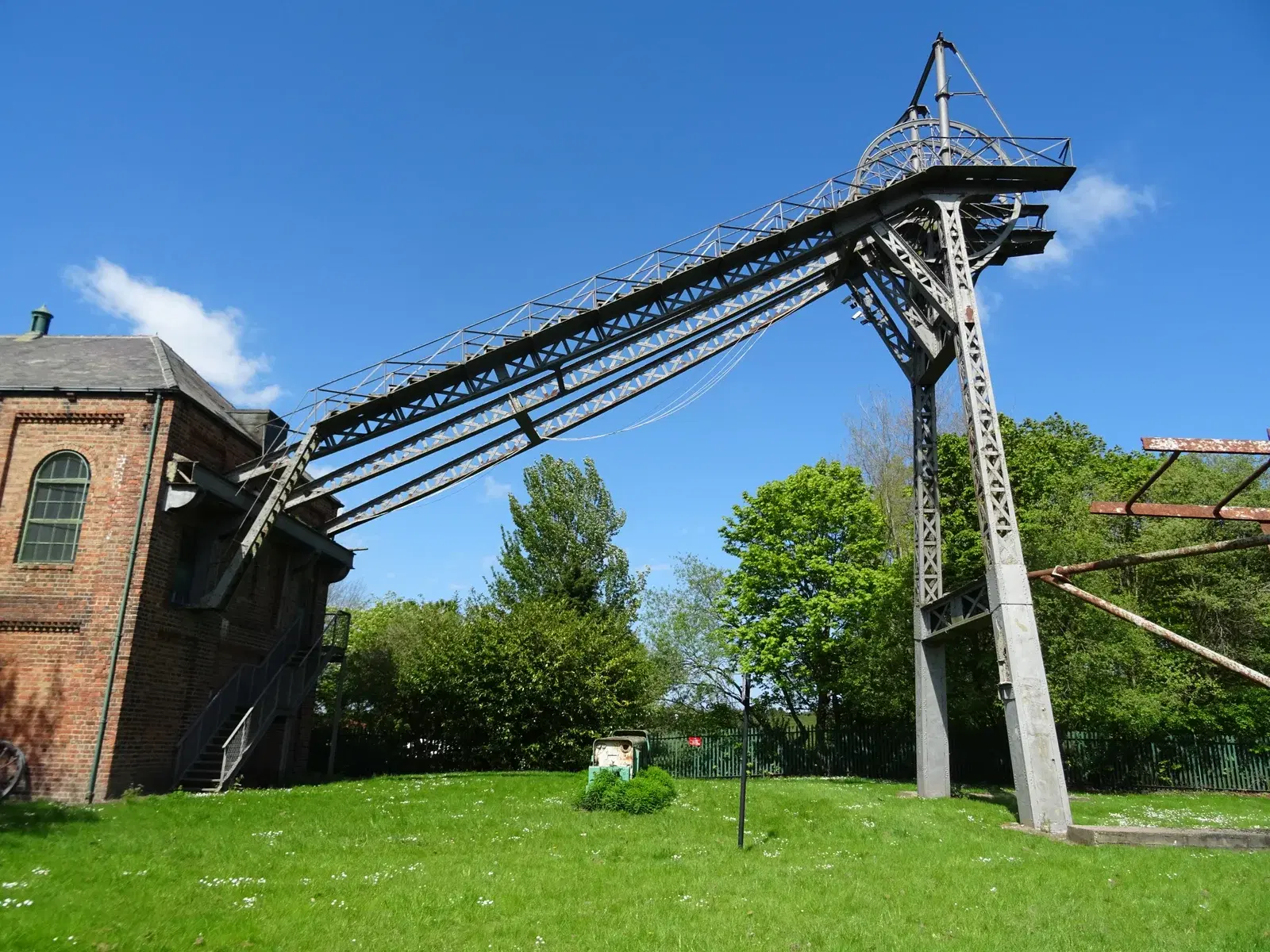
Coal Mining in Sunderland: Pits, Railways and the Miners' Legacy
Sunderland's coal mining story, from the Hetton Colliery Railway and the deep Monkwearmouth pit to Ryhope, Silksworth, Herrington and the Washington F Pit, with the memorials you can visit today.
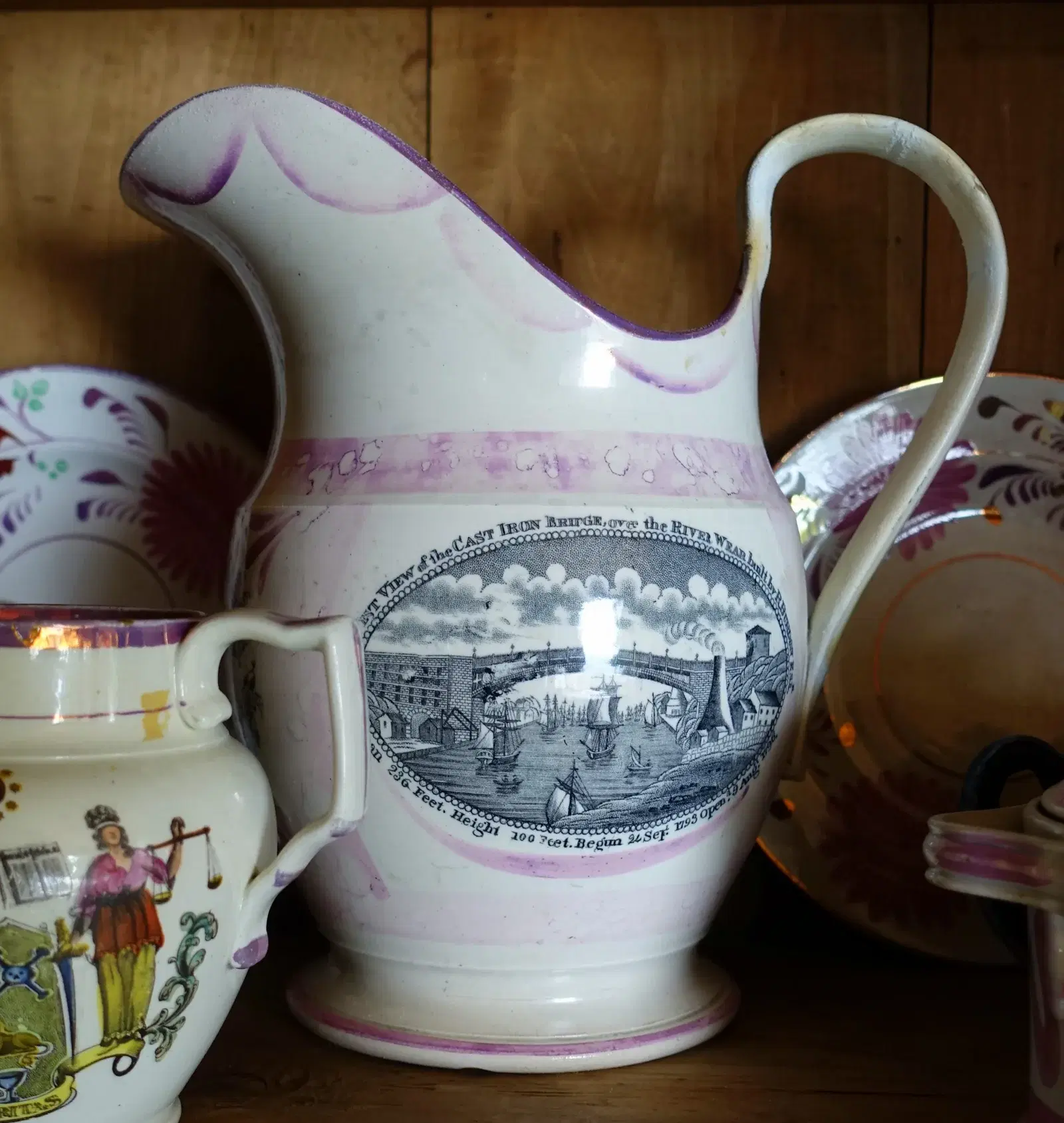
Sunderland Glass and Pottery: From Bede's Windows to Pyrex and Lustreware
How Sunderland became a glassmaking and pottery town: Hartley's plate glass, Jobling's Pyrex, lustreware bridge jugs, the National Glass Centre years and the Glassworks planned for 2028.
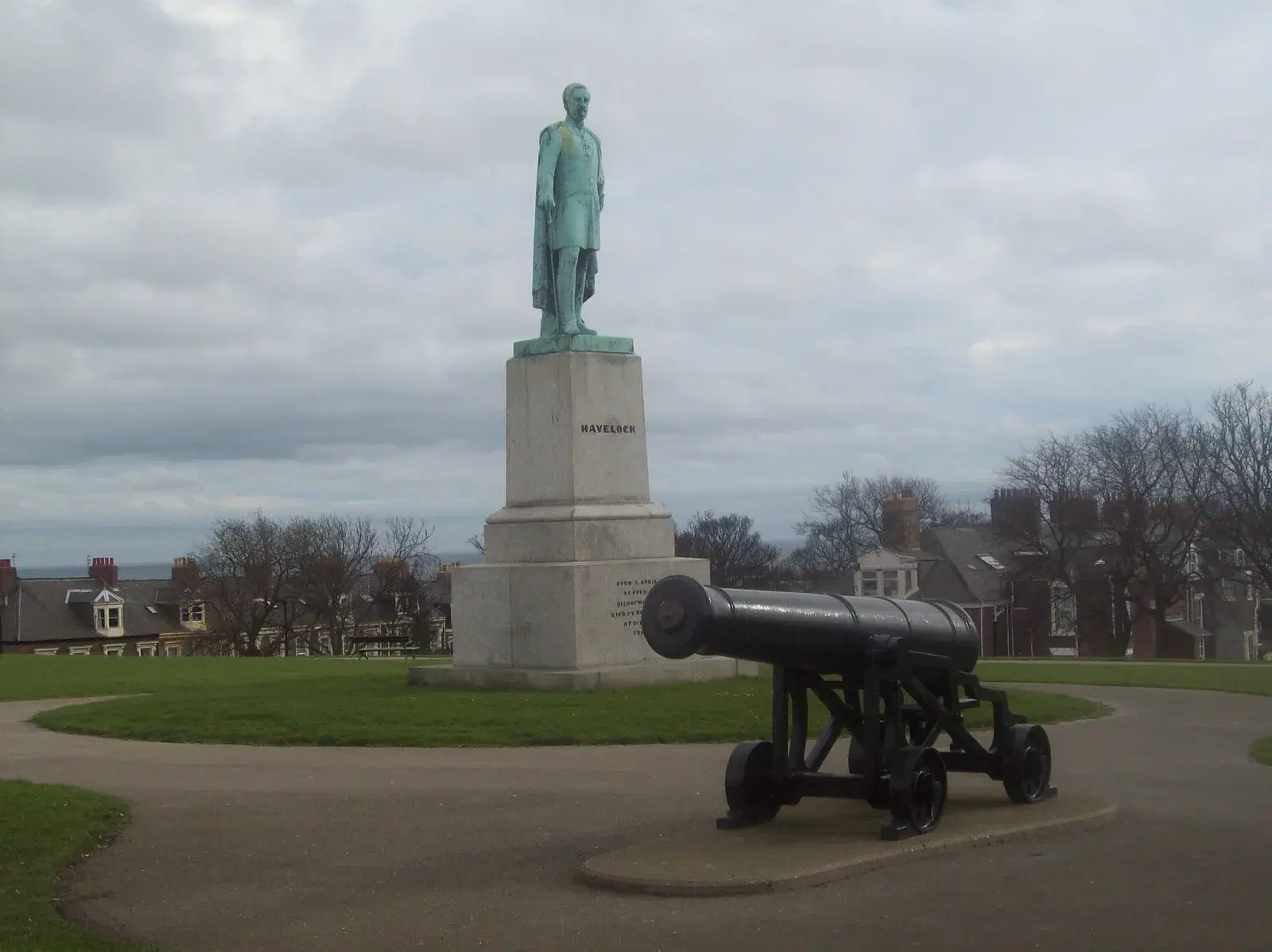
Famous People from Sunderland: Inventors, Writers, Musicians and Footballers
From Joseph Swan and James Herriot to Dave Stewart, Kate Adie and Jordan Henderson, the people who grew up on Wearside and where to find their traces in the city today.
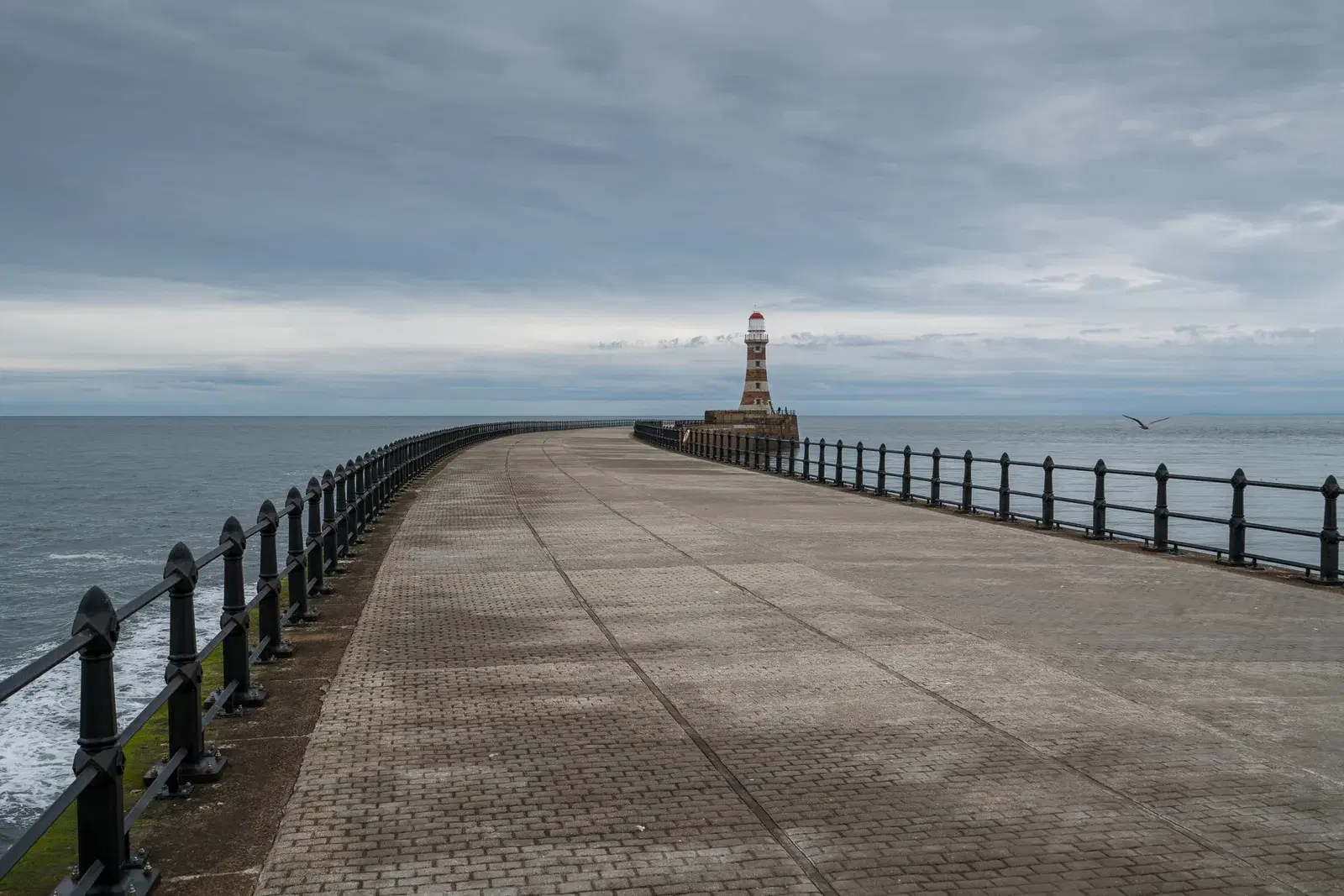
18 Interesting Facts About Sunderland
Eighteen checked facts about Sunderland, from Bede and a 7th-century glass workshop to the push-bar door, the Wearmouth Bridge, Roker lighthouse and the Stadium of Light.
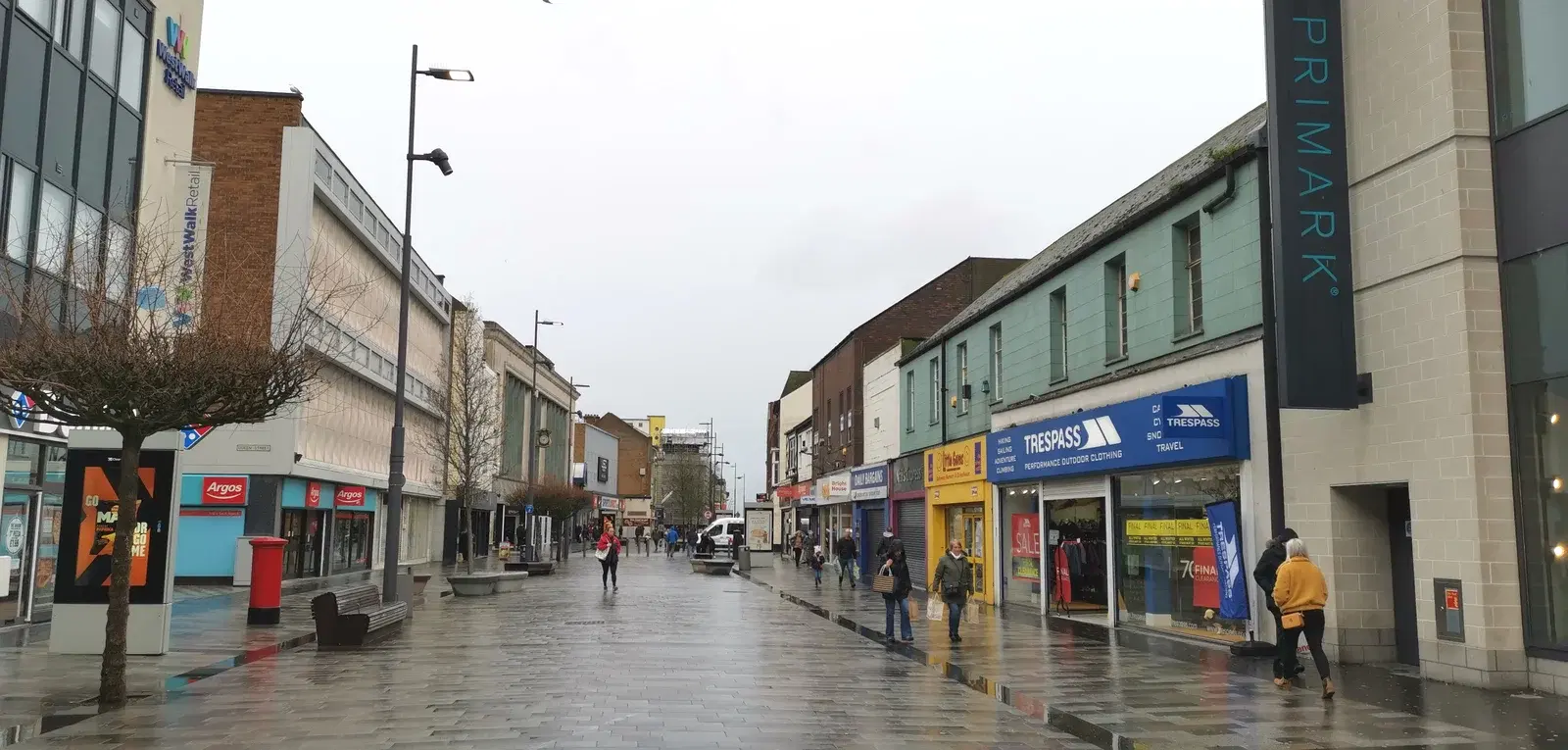
A History of Sunderland's High Street: From the East End to Fawcett Street
How Sunderland's shopping streets grew from the old East End along High Street to Fawcett Street, with the stories of Binns, Joplings, the trams, the Empire and the city centre's recent changes.
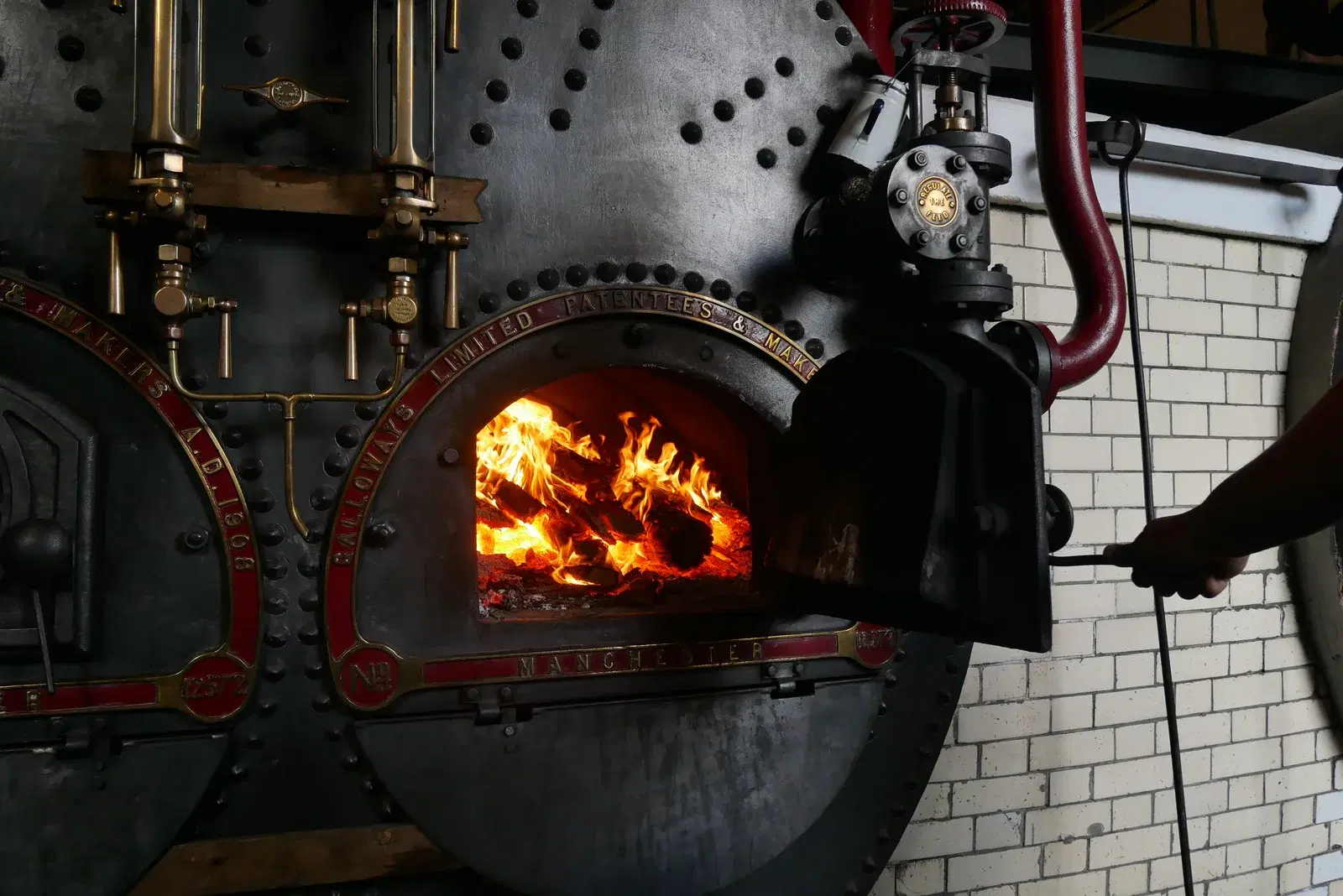
Historic Trades of Sunderland: Ships, Coal, Glass, Pottery and Rope
The industries that built Sunderland, from salt pans and keelmen to shipyards, glassworks, lustreware potteries, the patent ropery, Vaux brewery and the last pit, with places to see their traces.
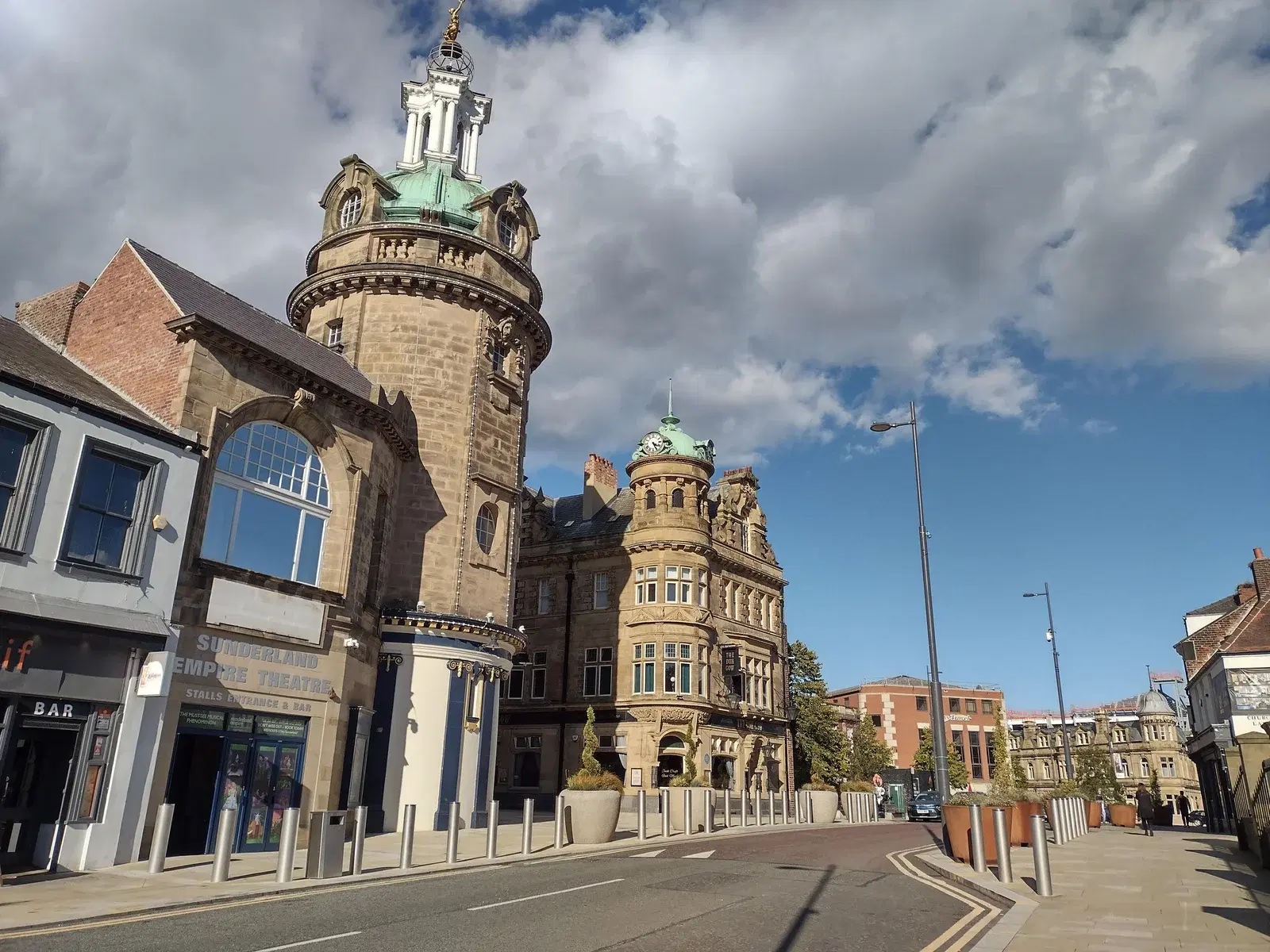
Sunderland on Screen: Film, TV and the Places Behind Them
Sunderland 'Til I Die, Premier Passions, the Empire premiere, Penshaw on television and the new Crown Works Studios: the city's screen story and the places you can visit.
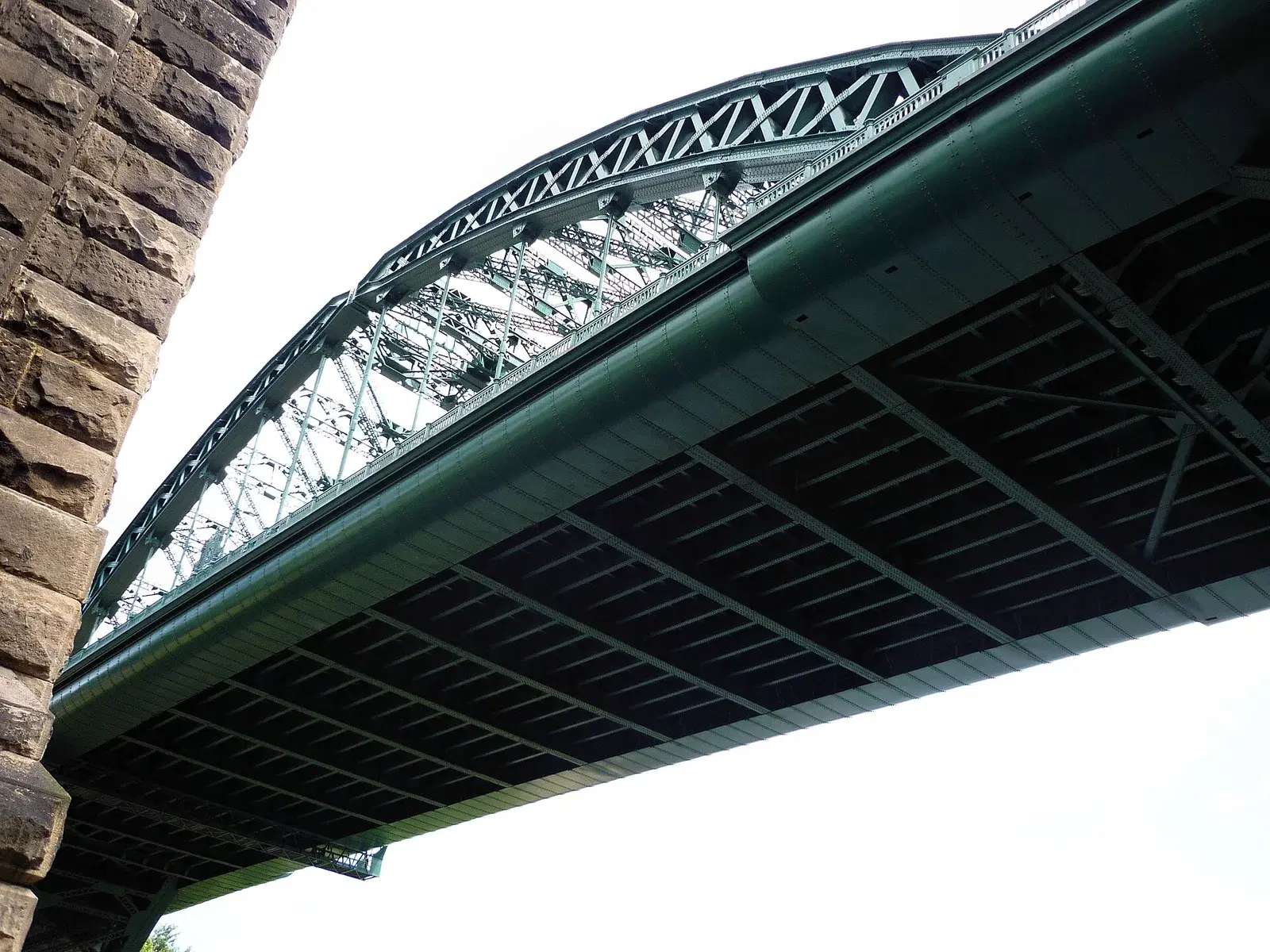
Sunderland Heritage Walking Trail: A Self-Guided Route
A self-guided walk of about 4.5km through Sunderland's history, from St Peter's in Monkwearmouth over Wearmouth Bridge to Keel Square, Holy Trinity, Sunniside and Mowbray Park.
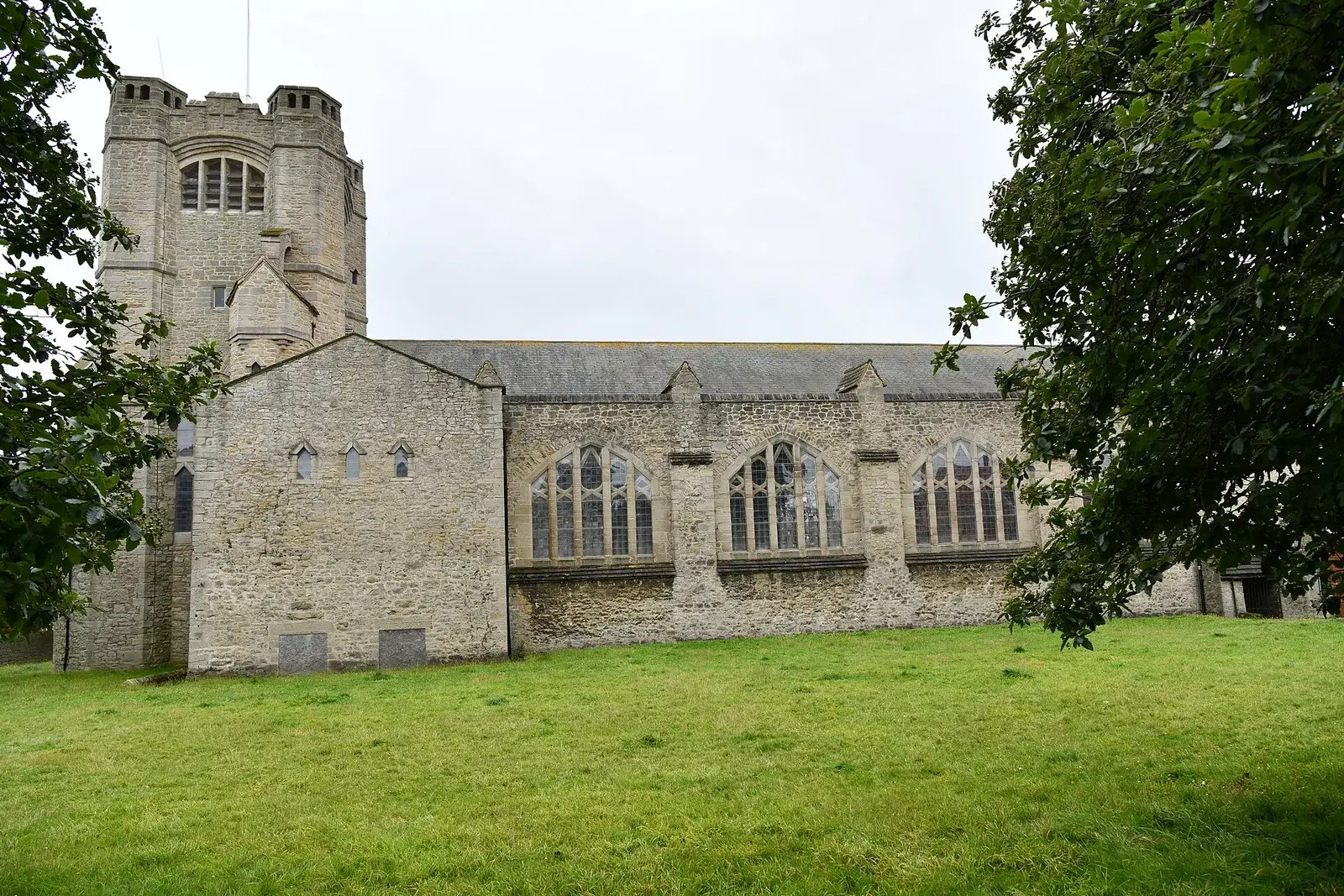
Historic Churches in Sunderland: Five Worth Visiting
Five historic Sunderland churches, from Benedict Biscop's St Peter's of 674 to Holy Trinity, the Minster, St Mary's and the Arts and Crafts interior of St Andrew's, Roker.
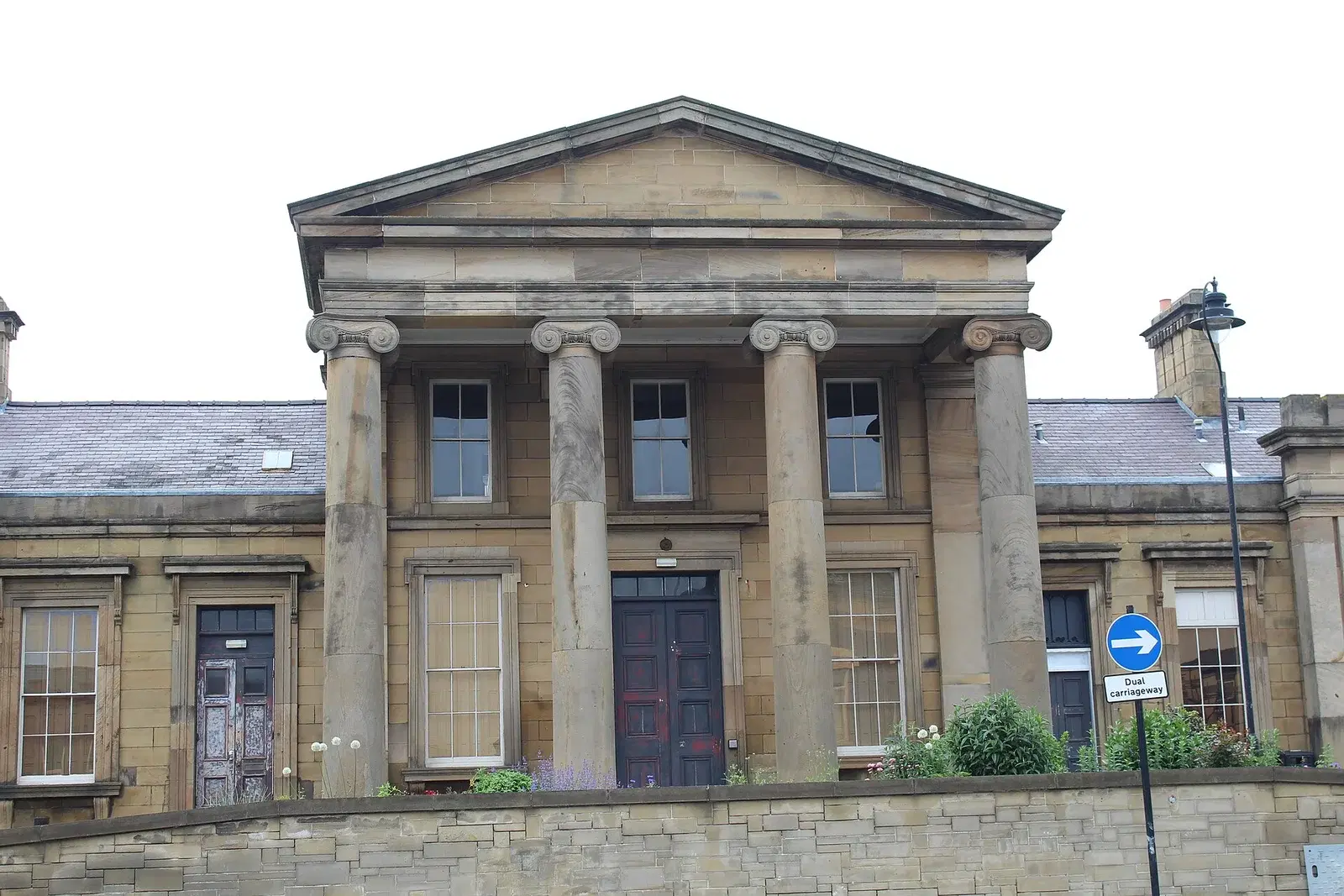
Museums in Sunderland: What Is Open in 2026
Where to find Sunderland's history while the Museum and Winter Gardens is closed until 2028 and the National Glass Centre has shut: football, steam, aircraft, castles and local archives.
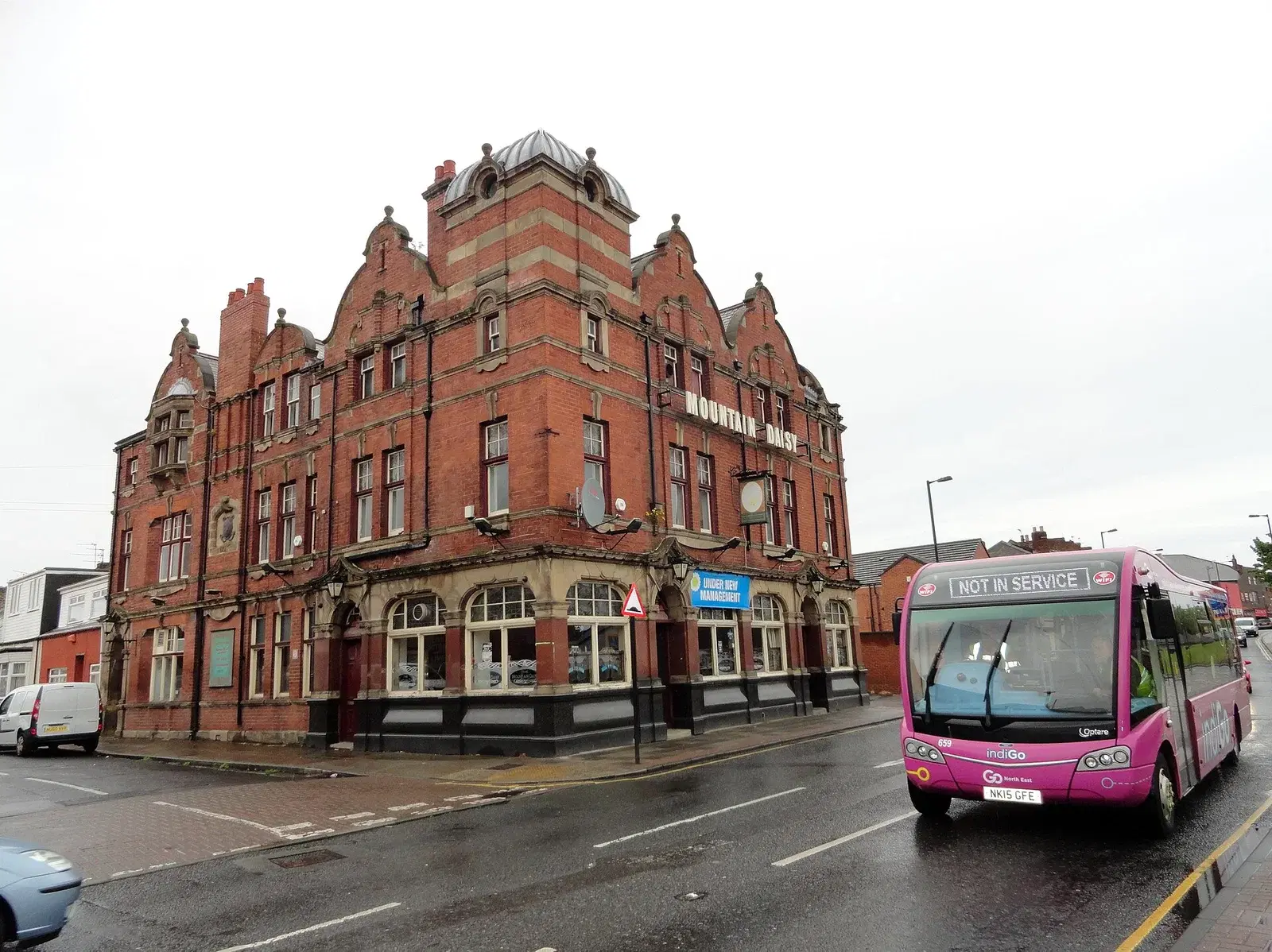
Sunderland's Oldest Pubs: Historic Inns Still Pouring Today
Nine historic Sunderland pubs still trading in 2026, from the Grade II* tiled rooms of the Mountain Daisy to riverside Deptford locals and the Edwardian bars of High Street West.
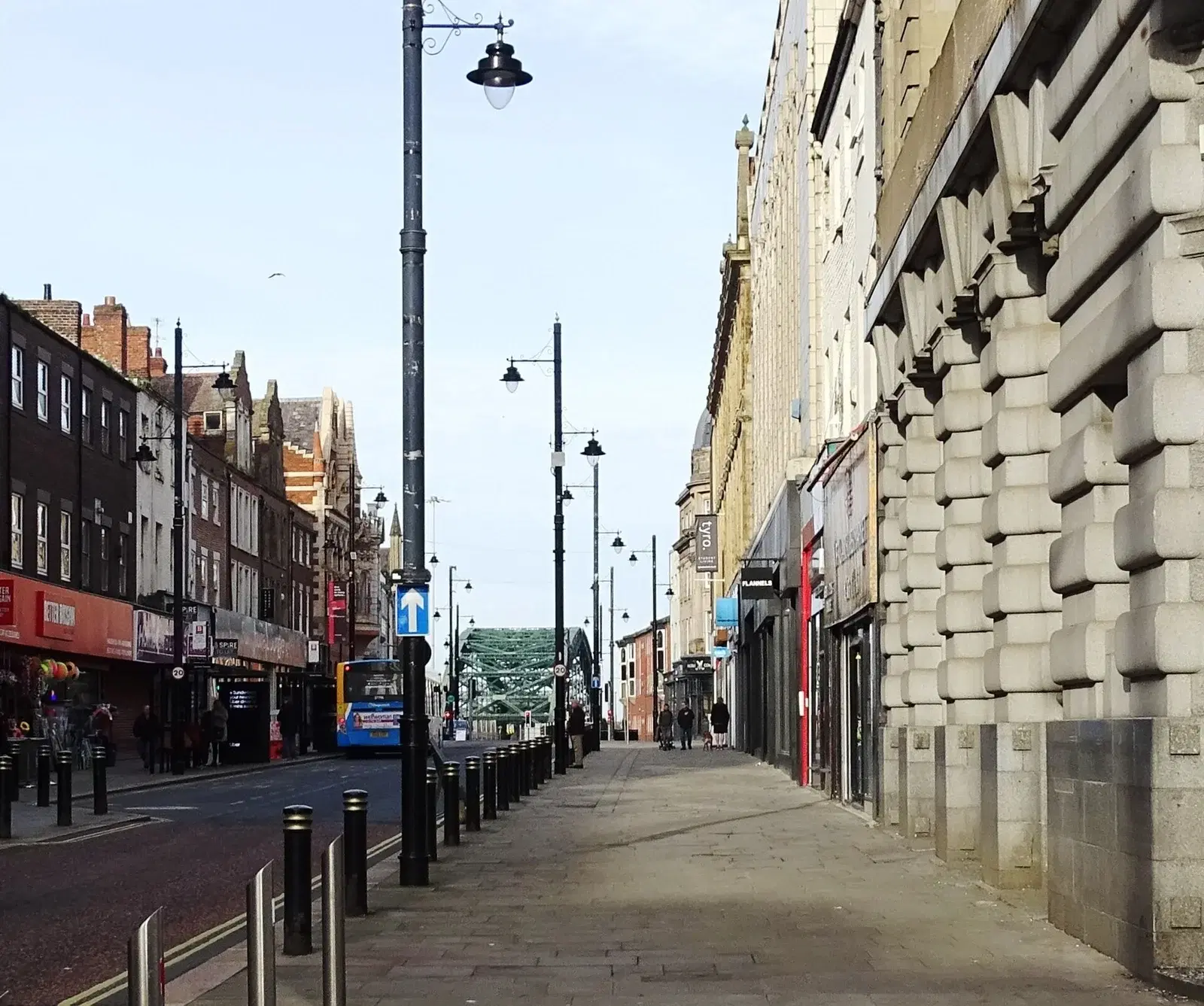
Lost Buildings of Sunderland: What Stood Here Before
The Town Hall, Binns, Joplings, the Havelock cinema, Roker Park, Vaux and the old Central station: the Sunderland buildings that have gone, with dates and what stands on the sites now.
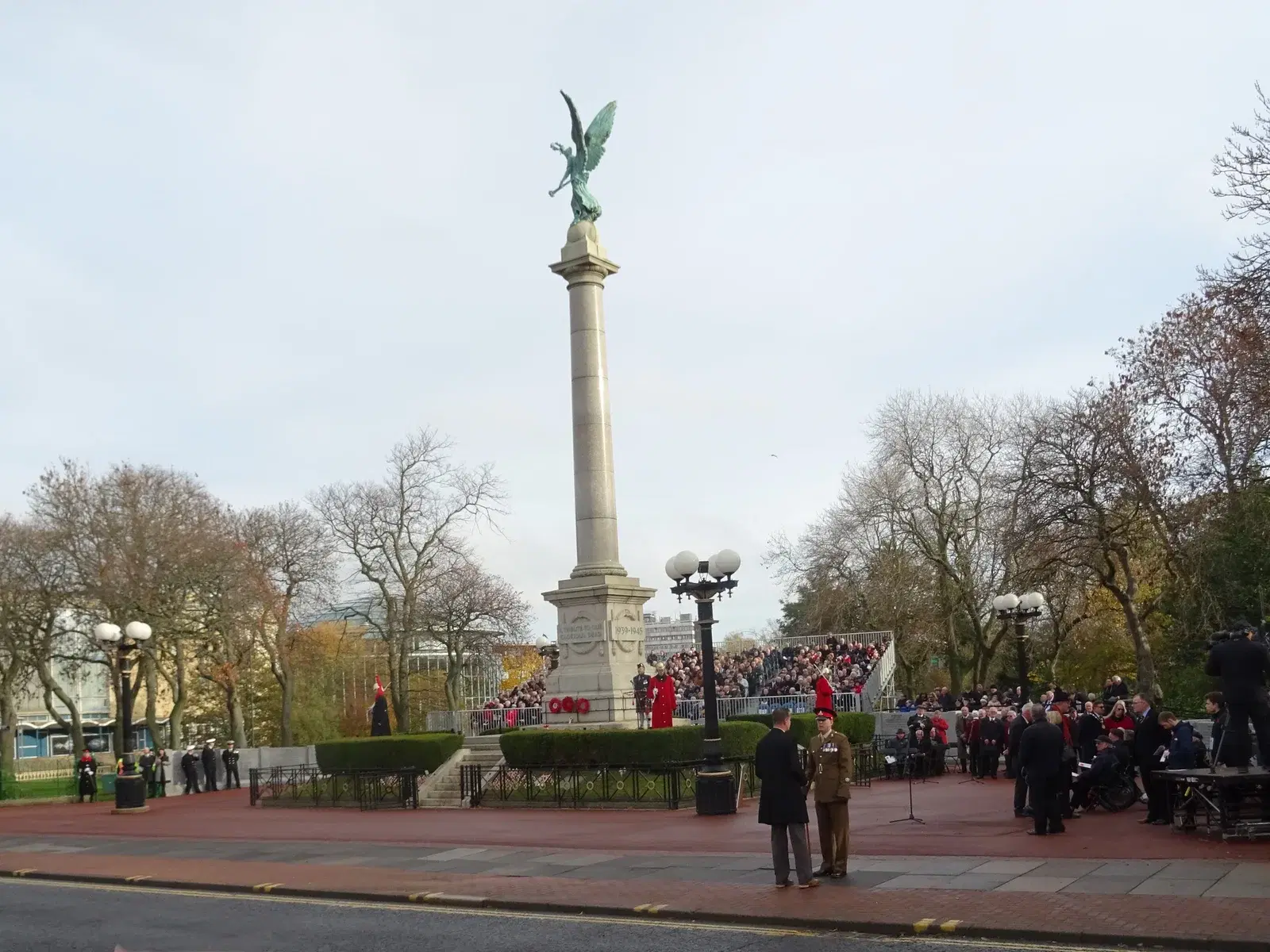
Sunderland in the Second World War: Shipyards, Raids and Memory
How Sunderland's shipyards fed the war effort, why the town was bombed from 1940 to 1943, which buildings were lost, and where the war is remembered in the city today.
A Short History of Sunderland
From Bede and the Wearmouth monastery to shipbuilding, Nissan, city status and Riverside Sunderland: thirteen centuries of history on the Wear, and where to see it today.